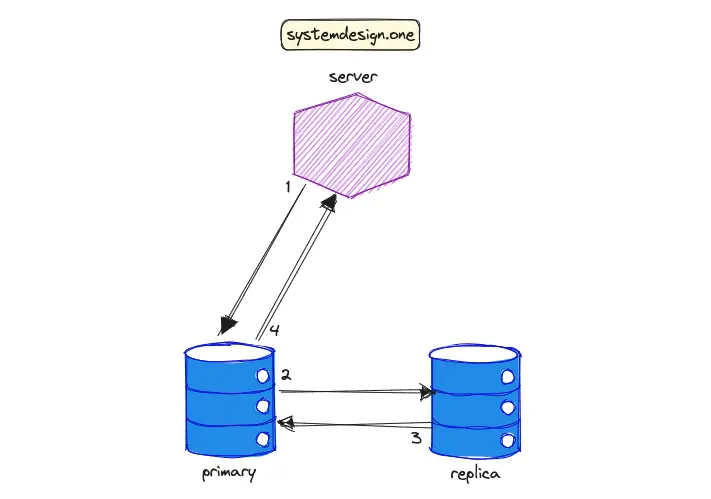
every read on any server must return the latest data (by latest write) -> data is replicated synchronously across multiple servers
advantage
simplify application logic
increase data durability
guarantee a consistent data view across the system
disadvantage
reduce availability of services (data syncing takes more resources)
increase latency
eventual consistency
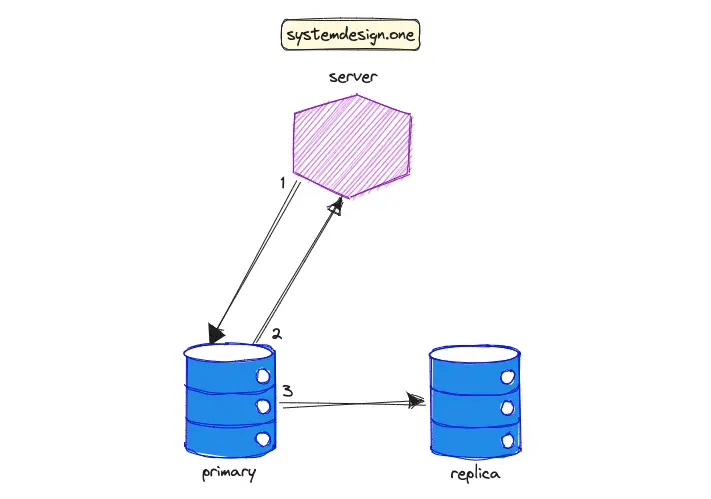
when a write is executed on a server, the next read on another server may not return the latest data (by latest write), but the system will eventually converge to the same state -> data is replicated asynchronously across multiple servers
advantage
high availability
scalable
low latency
disadvantage
weaker consistency model
potential data loss / conflict
weak consistency
linearizability
the data written to a server must be immediately visible to subsequent reads against other servers (a variant of strong consistency - atomic consistency)